
Tiny steps forward, even if you’re not entirely sure where you’re travelling.
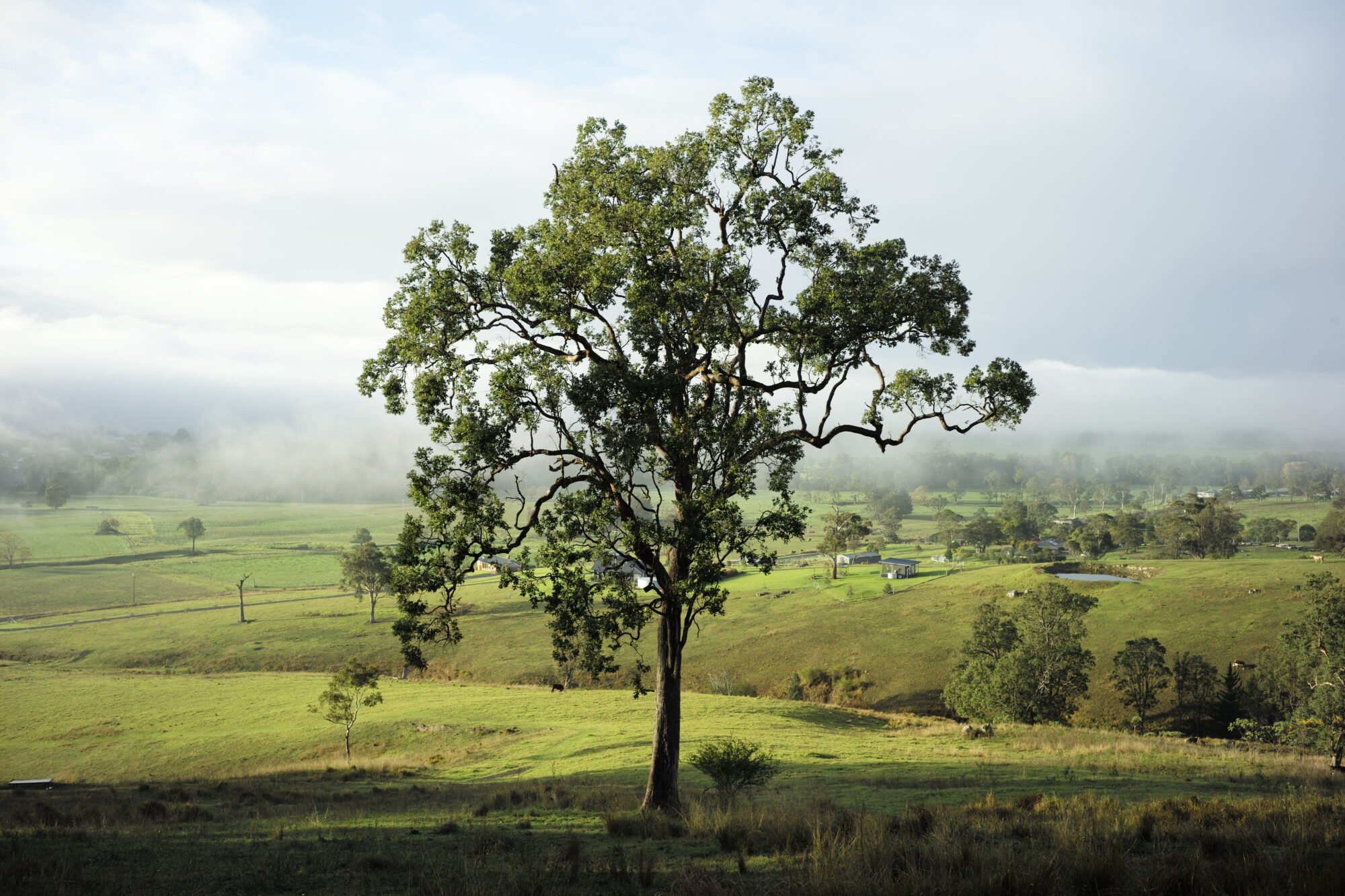
Starting a photographic project can feel strangely contradictory. In a way, it’s tempting to have every location thoroughly researched, every photograph prepared on a checklist and every question answered before the camera even leaves the bag. On the other hand, anyone who has ever held a camera will tell you that photography doesn’t necessarily respond to even your best-laid plans; landscapes change, the weather puts a cloak over that magnificent vista, the livestock are now in a different paddock, and the light you had imagined never arrives.
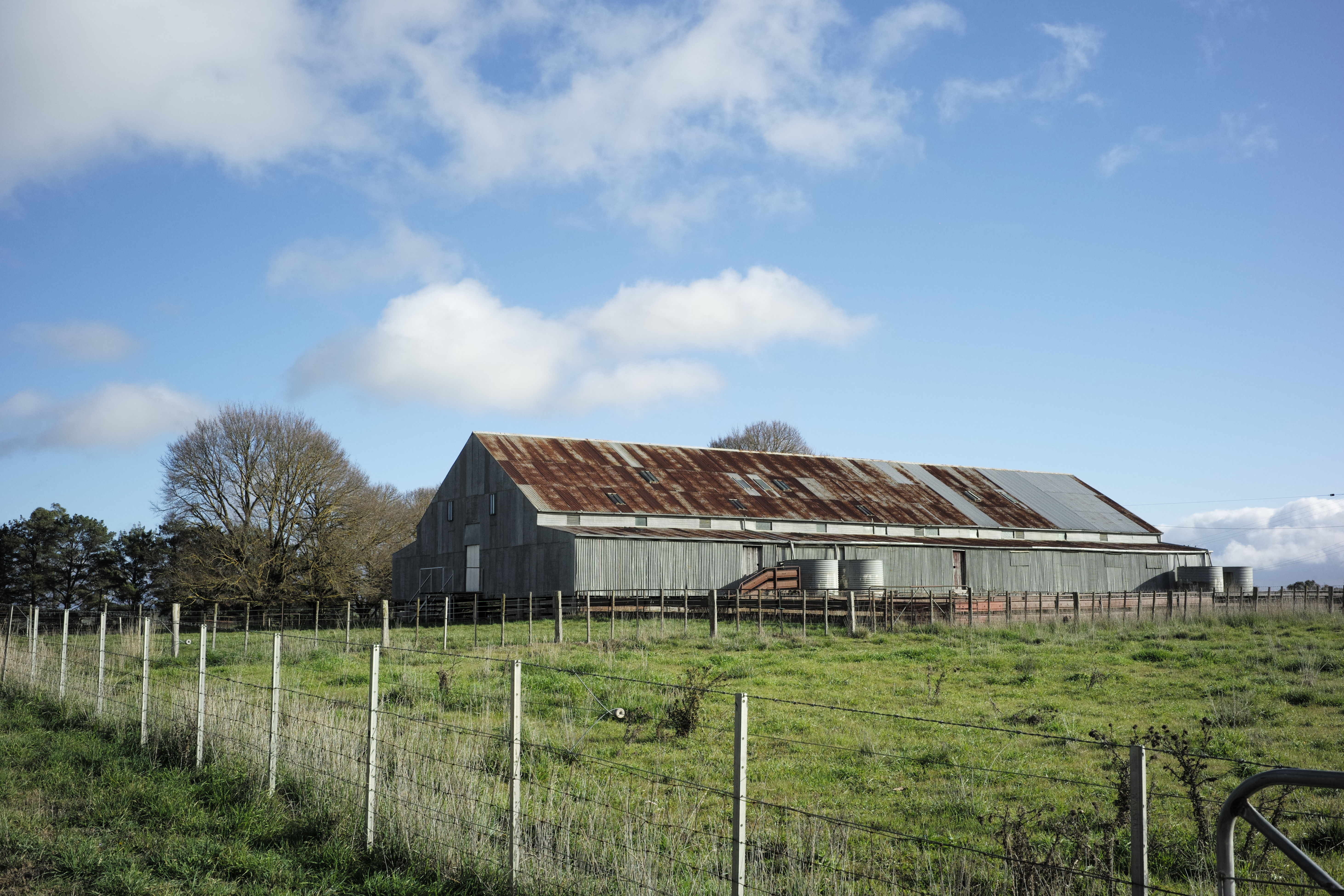
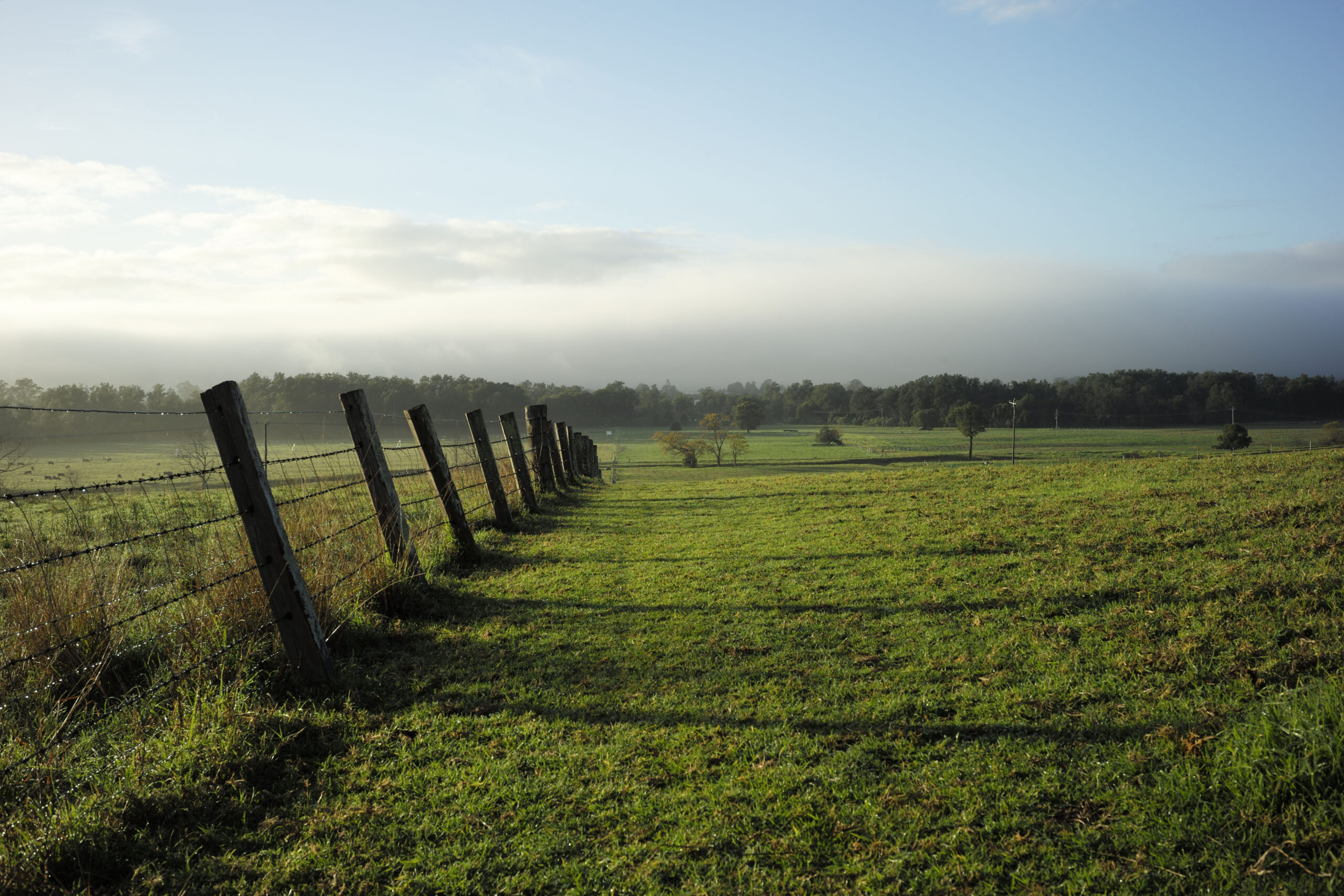
And so, with only a loose sense of where the work will eventually end up, I’ve begun photographing Thunderbolts. For the uninitiated (or the un-Australian), Thunderbolts Way is a 300km scenic drive linking towns from Gloucester to Inverell in New South Wales.
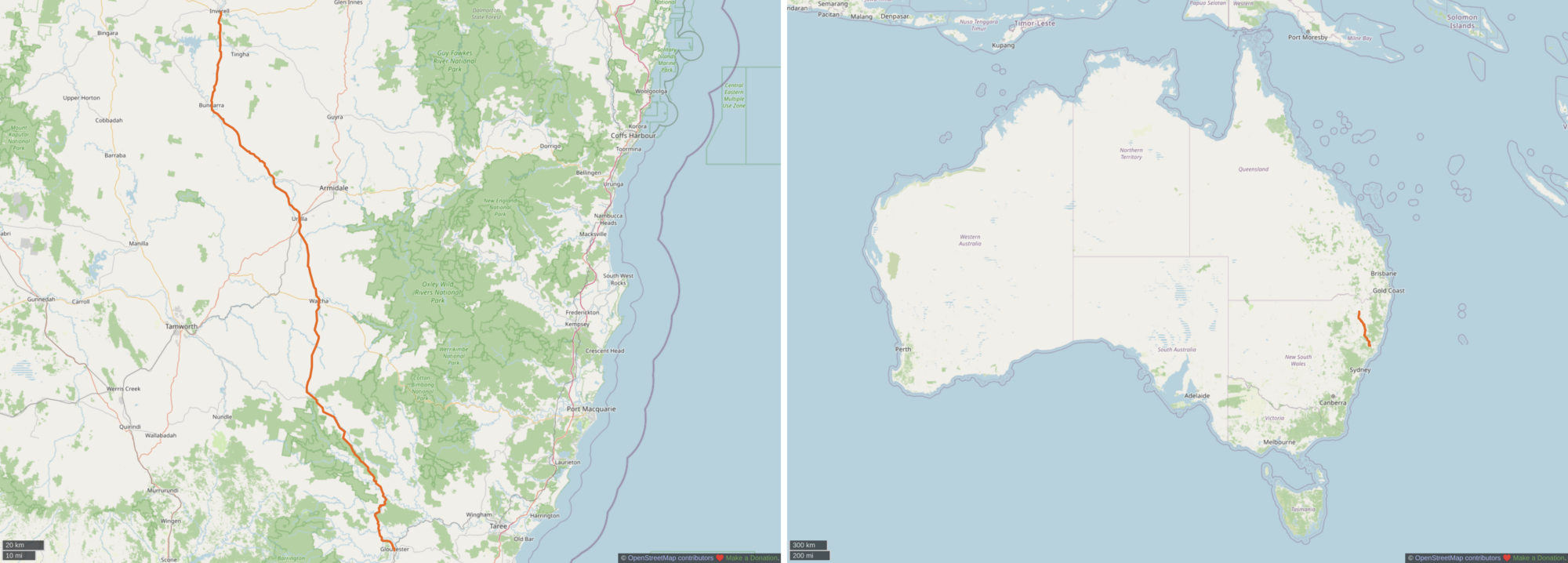
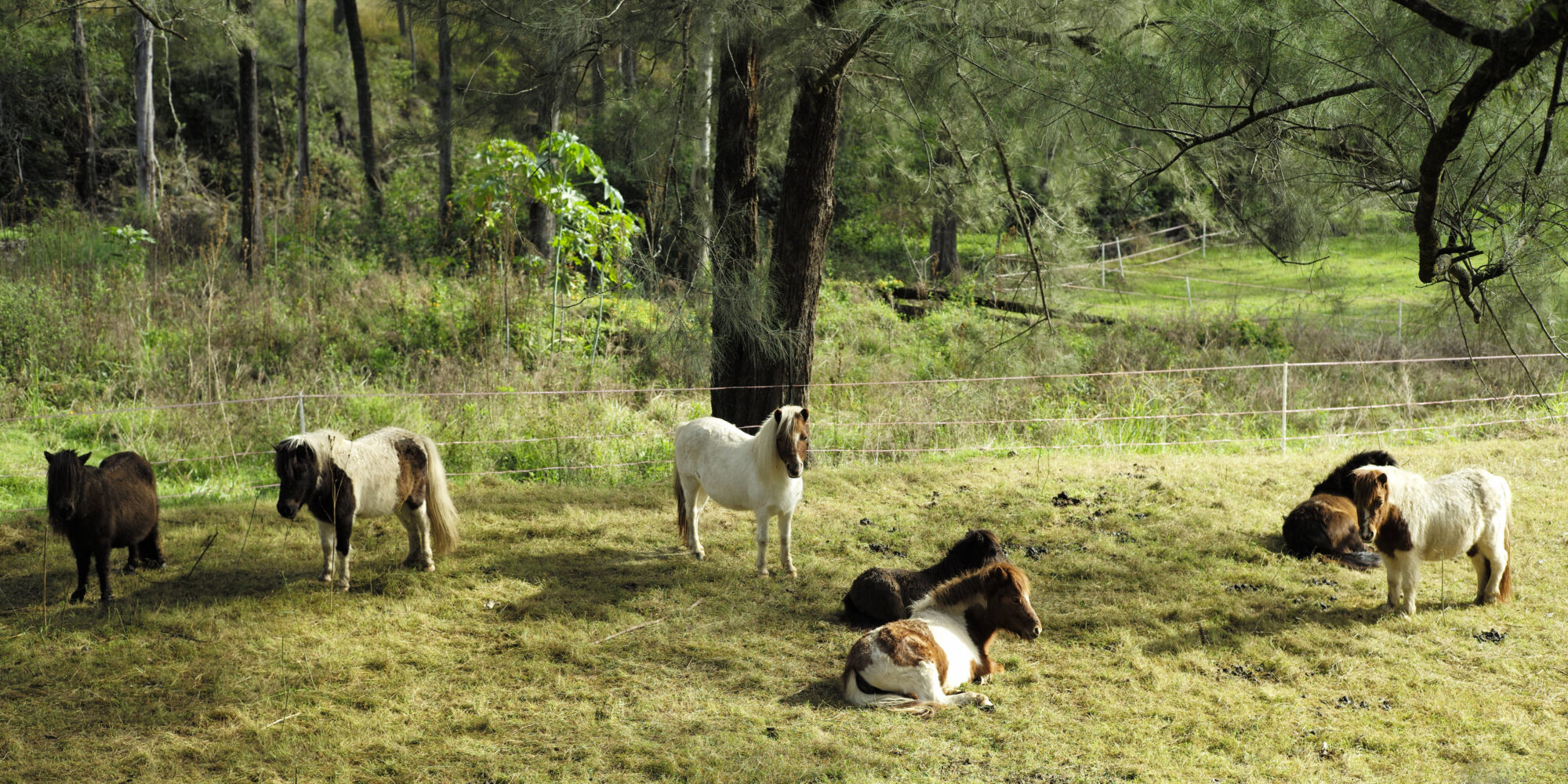
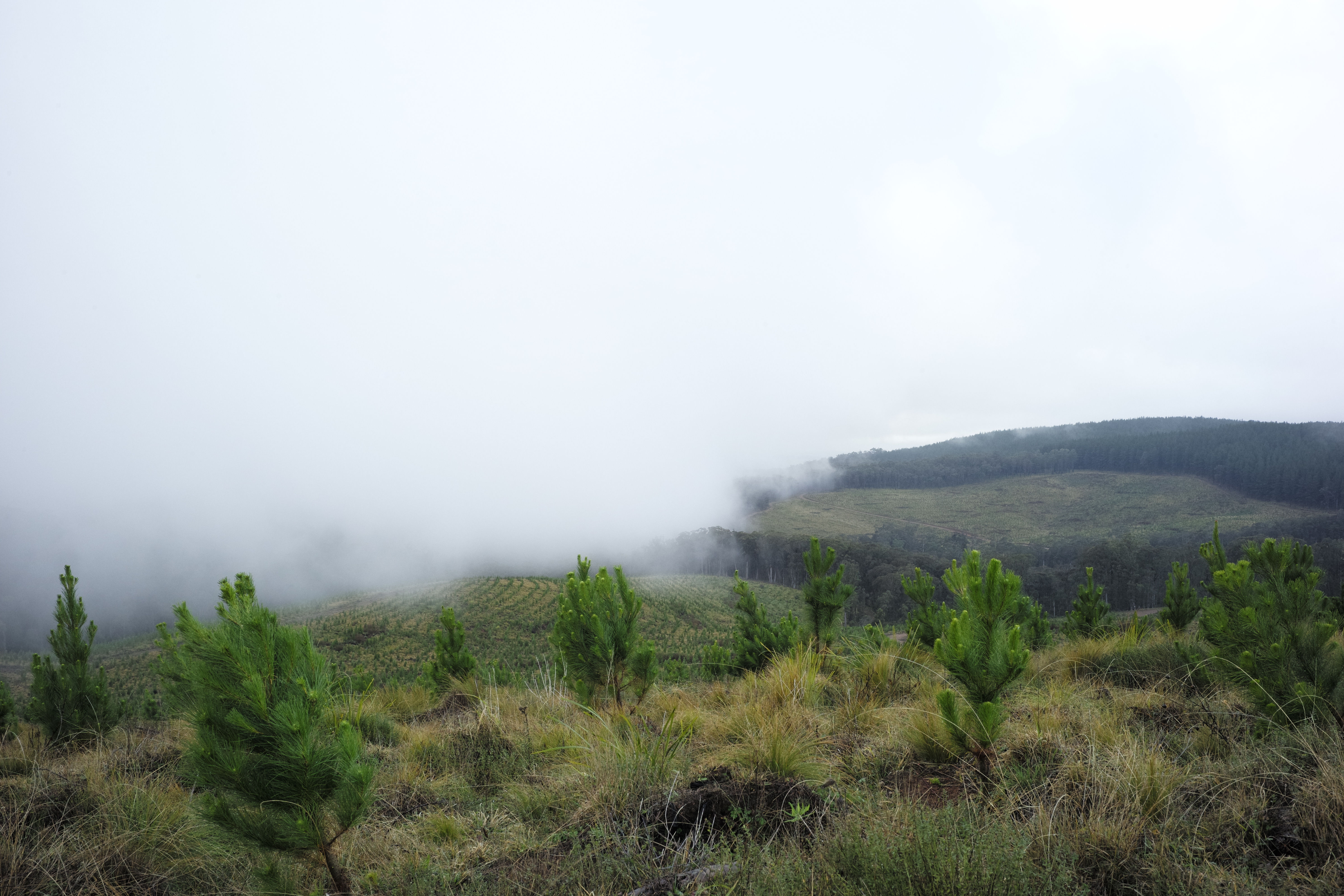
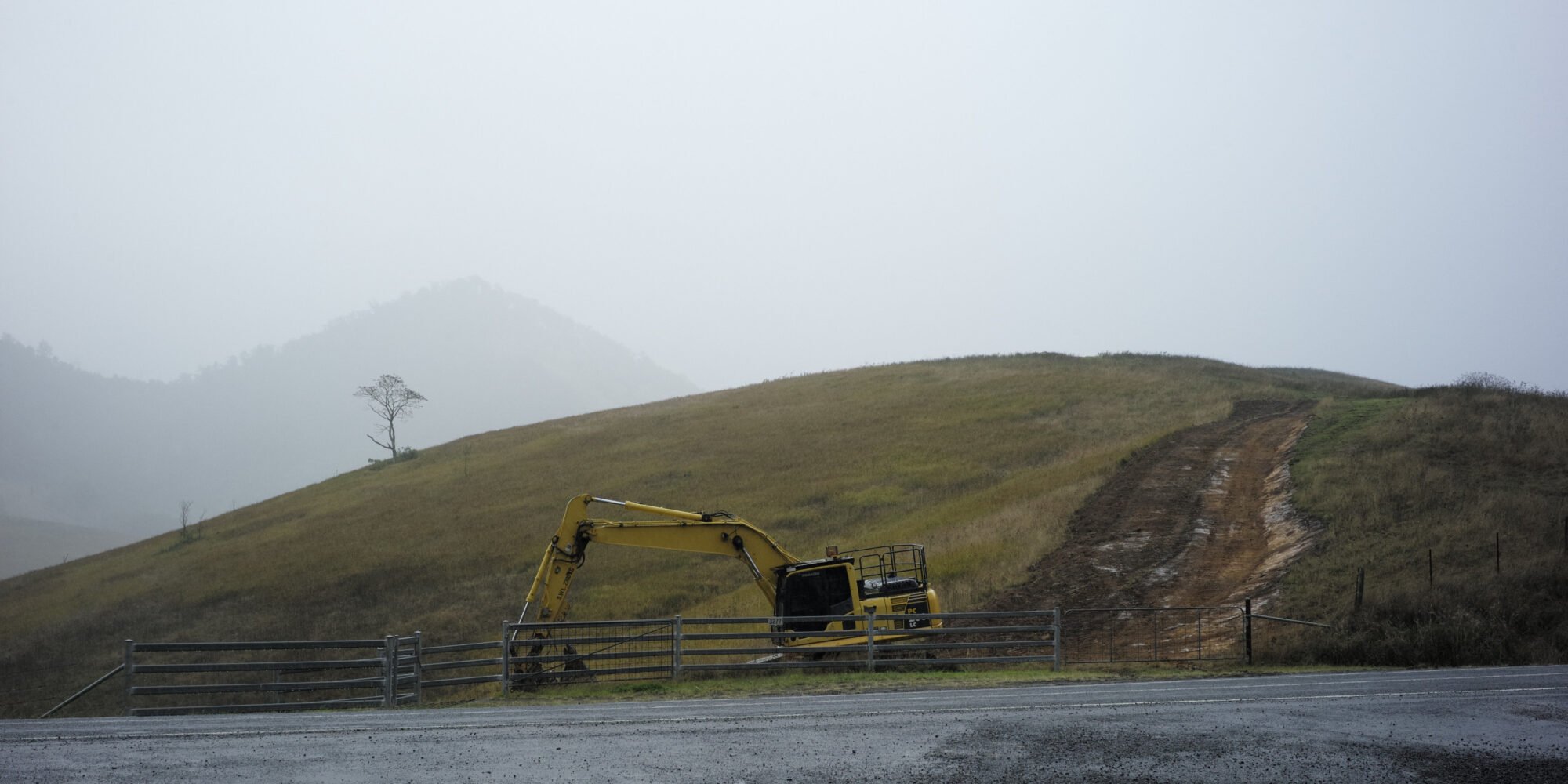
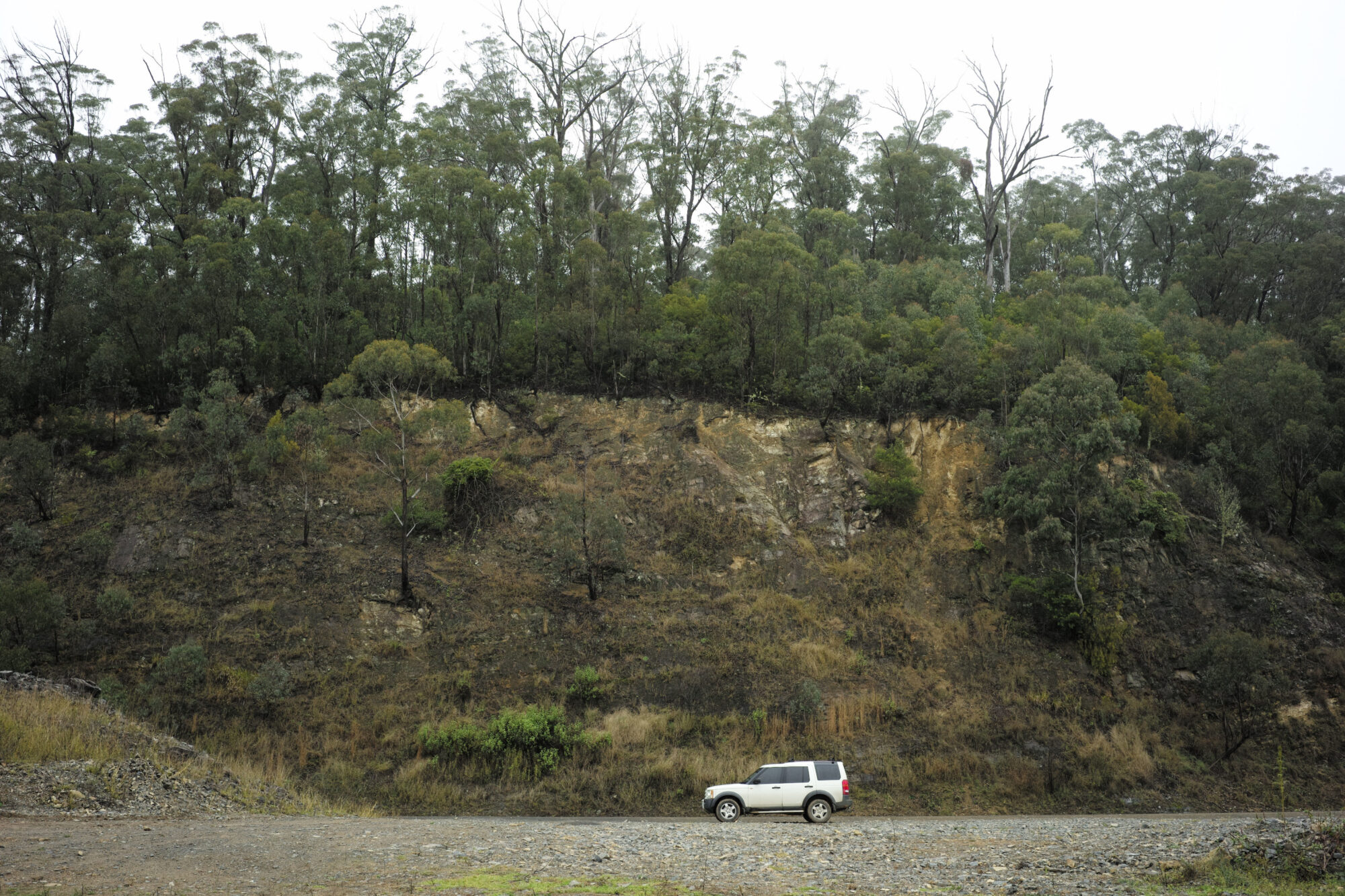
I share some preliminary images from the project with you through this article. There are places I know I want to revisit, stories I suspect are worth following, and themes that are beginning to emerge, but very little has been locked-in upfront. For me, this is the only sensible way to begin.
The first photographs are less about making finished work than creating something to respond to. Once there is material in front of me, even if it’s rough, incomplete or inconsistent, the project suddenly has somewhere to go. I can see the missing pieces, and new questions appear that I need to respond to. It is much easier to fill the gaps in a body of work than it is to begin with a perfectly curated shot list, particularly when your collaborators are the landscape, the weather, the trees and the sun.
Research
Every project begins with research, but sometimes the research consists largely of discovering just how little there is. I have to be honest – I fully expected to find previous photographic work documenting Thunderbolts Way, or at least a few books exploring the landscape beyond its role as a scenic drive. Instead, I found stunningly little. A handful of tourist brochures, many of which attempting to guide you some other way e.g. out to the east coast, or through nearby Barrington Tops National Park, and scattered references to Captain Thunderbolt (the 19th-century namesake bushranger) were all that appeared. There is stunningly little visual documentation of the road or its surrounding country.
While it does exist, the Wikipedia article of the corresponding title is rated “Start-class” on their content assessment scale, meaning it provides some meaningful content. To me, the information is sparse and largely meaningless, and almost all of the linked references now present interested parties with the incredibly (un)helpful “404 Not Found”. There is also a a Wikimedia Commons category titled Thunderbolts Way, containing a selection of 20 high-resolution but utterly uninspiring images.
Reviewing this as a representation of the incredible journey I have travelled and intend to document, I feel almost driven to write it and provide the media for it myself as part of this project – keep in mind I have no experience along these lines.
The absence of existing material is frustrating, but also in a way liberating for me. Without an established photographic tradition to imitate, the project has room to be done in my own way and with my own style. Research doesn’t offer reference images for collection, so I’m focused more on understanding the history, geography and realities that produced the landscape (and maybe even the people – I haven’t decided on this yet) in front of the camera.
A Project Statement
Thunderbolts documents the rural landscapes surrounding Thunderbolts Way, a scenic route through New South Wales, Australia. Encompassing both expansive vistas and the ordinary infrastructure of modern travel, the project considers how natural beauty and human intervention coexist, preserving a record of an environment that continues to change with every passing season and every new development.
A coherent project statement only came recently. I thought it was worth writing down, not because it tells me exactly what to photograph, rather it reminds me why I’m photographing in the first place – the juxtaposition that got me interested, showing both the natural beauty and the everyday realities of roads, towns and travel, noting the condition of an environment that is continually evolving and an infrastructure that endures ongoing development and upgrade.
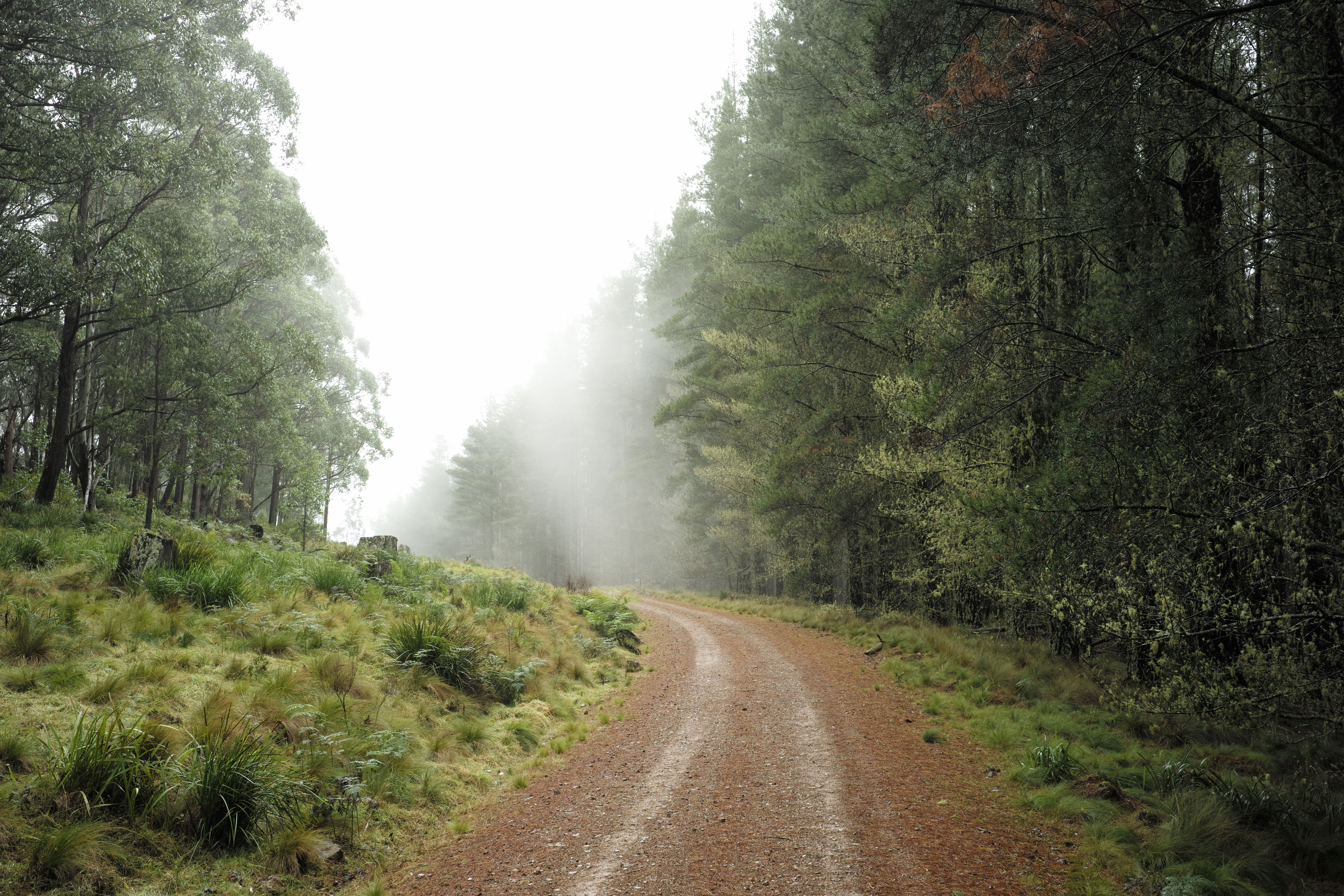
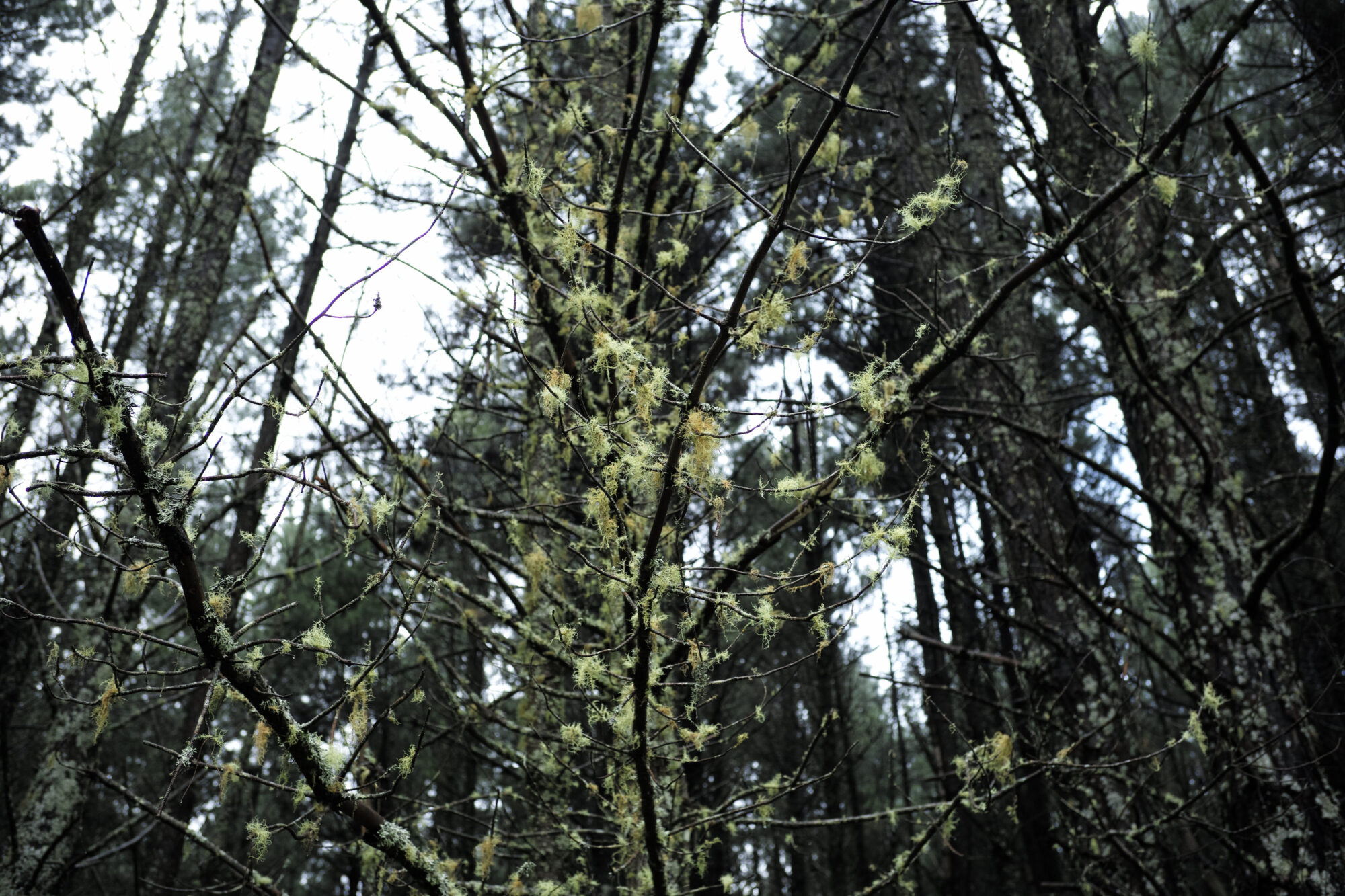
These sentences are a reference point rather than a prescription. Give me direction, but if a photograph doesn’t obviously fit the original idea, it’s not necessarily excluded. The statement will guide the work, but I won’t allow it to prevent the project from growing, and I’m sure it will change many times before this publication becomes reality.
Keeping a Journal
Alongside the photographs, I’ve been keeping a journal. Currently that looks like a whole lot of purely practical details, such as which parts were left unexplored, which tracks led to interesting locations, where the light worked best, and which places deserve another visit, but its more important role is recording how each place felt.
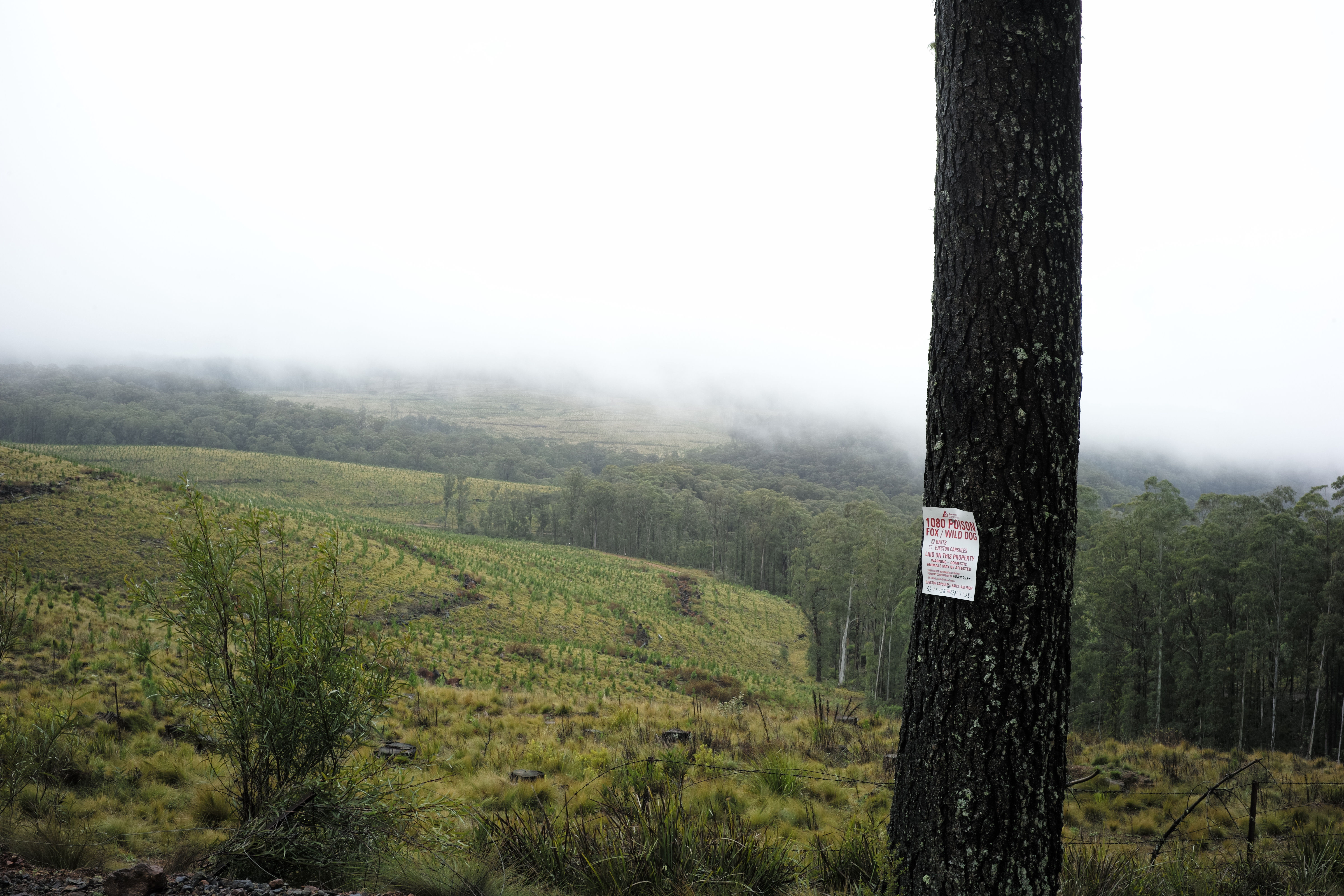
Those notes will inevitably shape the finished project. They will influence not only how the photographs are edited, but how they are sequenced, paired together, and ultimately understood. A photograph made after an hour-long walk through fog carries a different weight from one made during an unexpected roadside stop, even if that context is invisible to the viewer.
The journal also becomes a kind of field guide for future trips. It reminds me of missed opportunities, difficult access points, conversations worth following up, and photographs that still need to be made. As the project grows, so does the shot list, because the work itself reveals what is still needed to make an accurate and worthwhile picture of Thunderbolts. I’m not making a tourist brochure. I’m trying to understand and document the places, linked together along this single path.
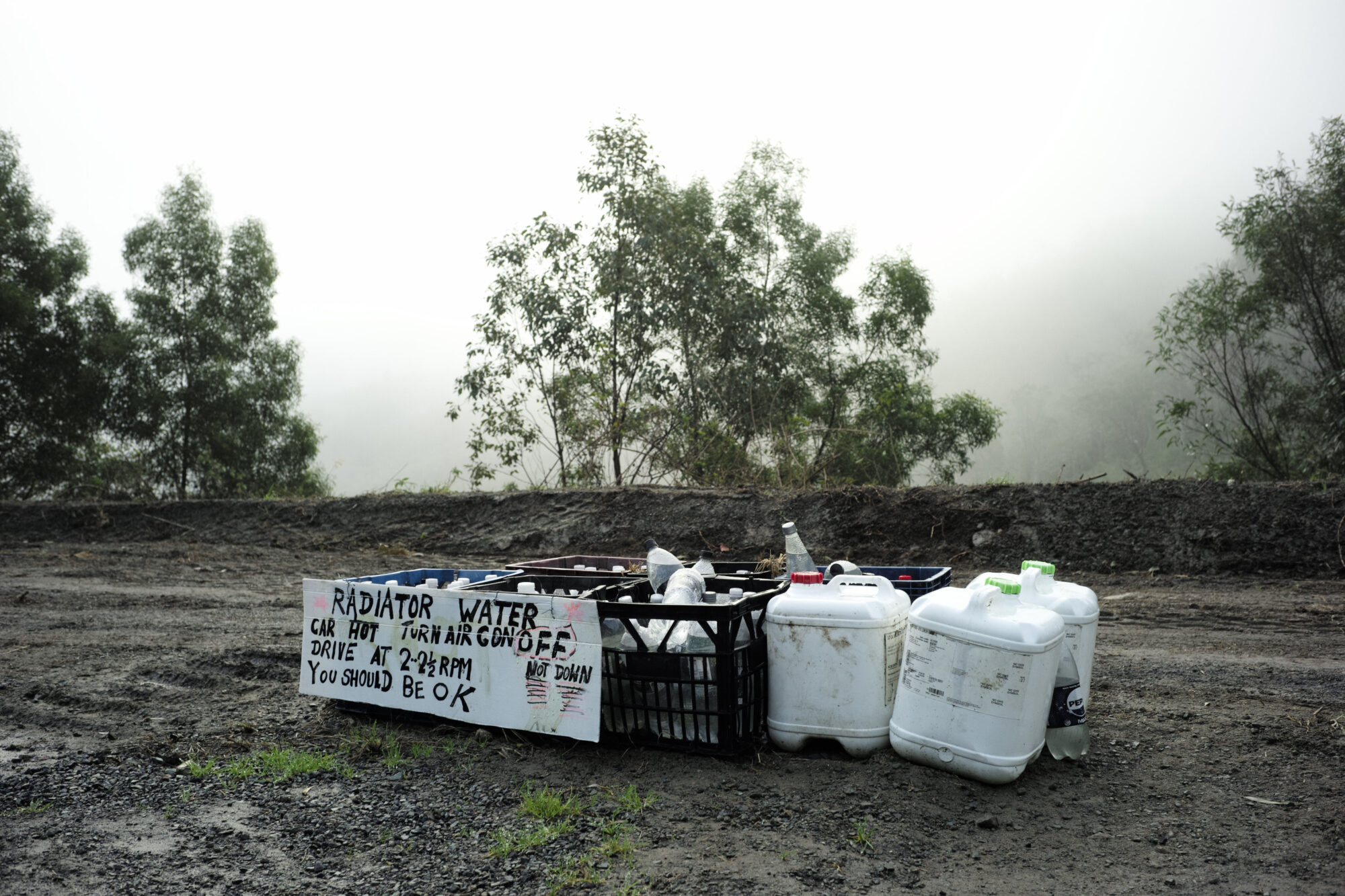
Straight-out-of-camera
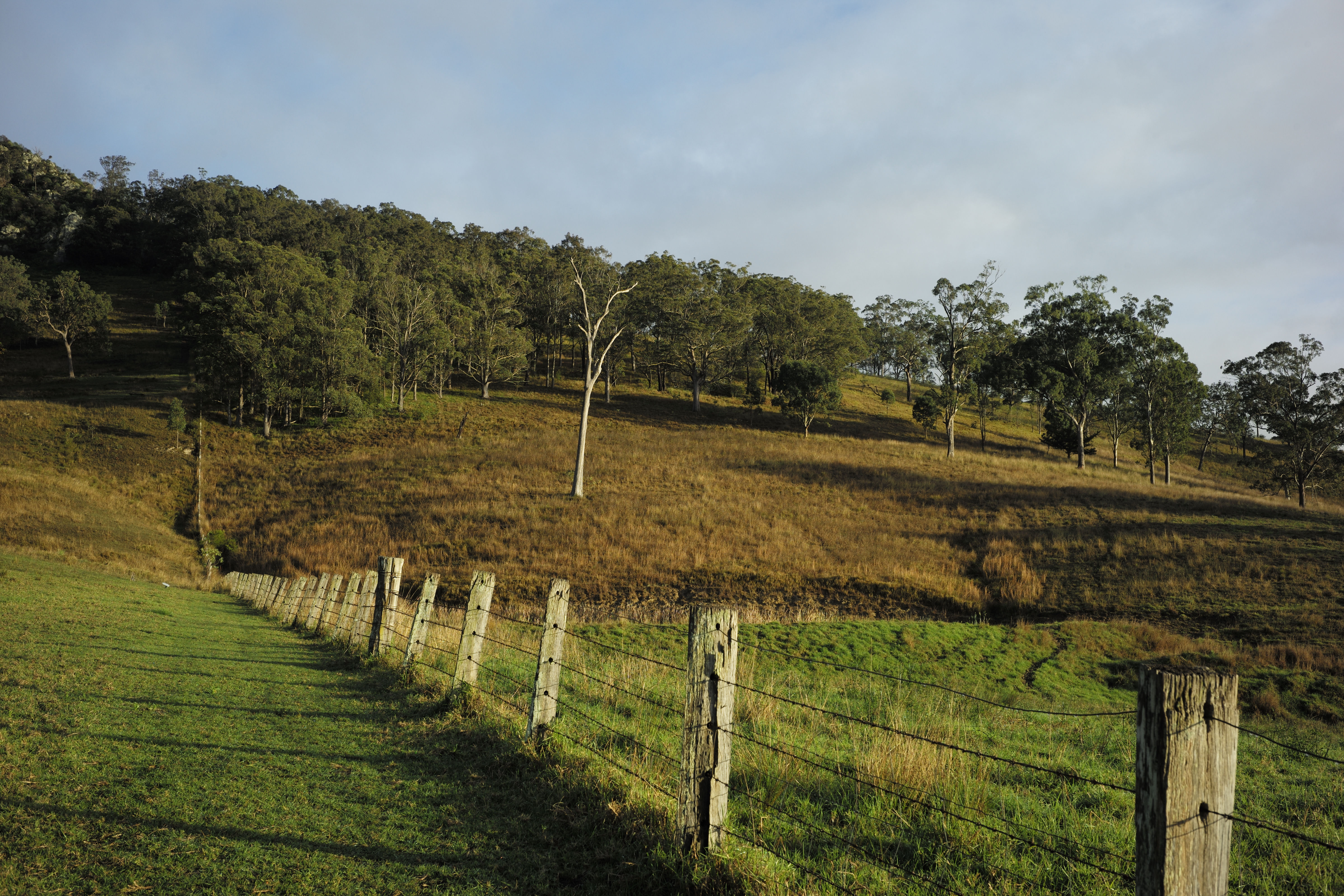
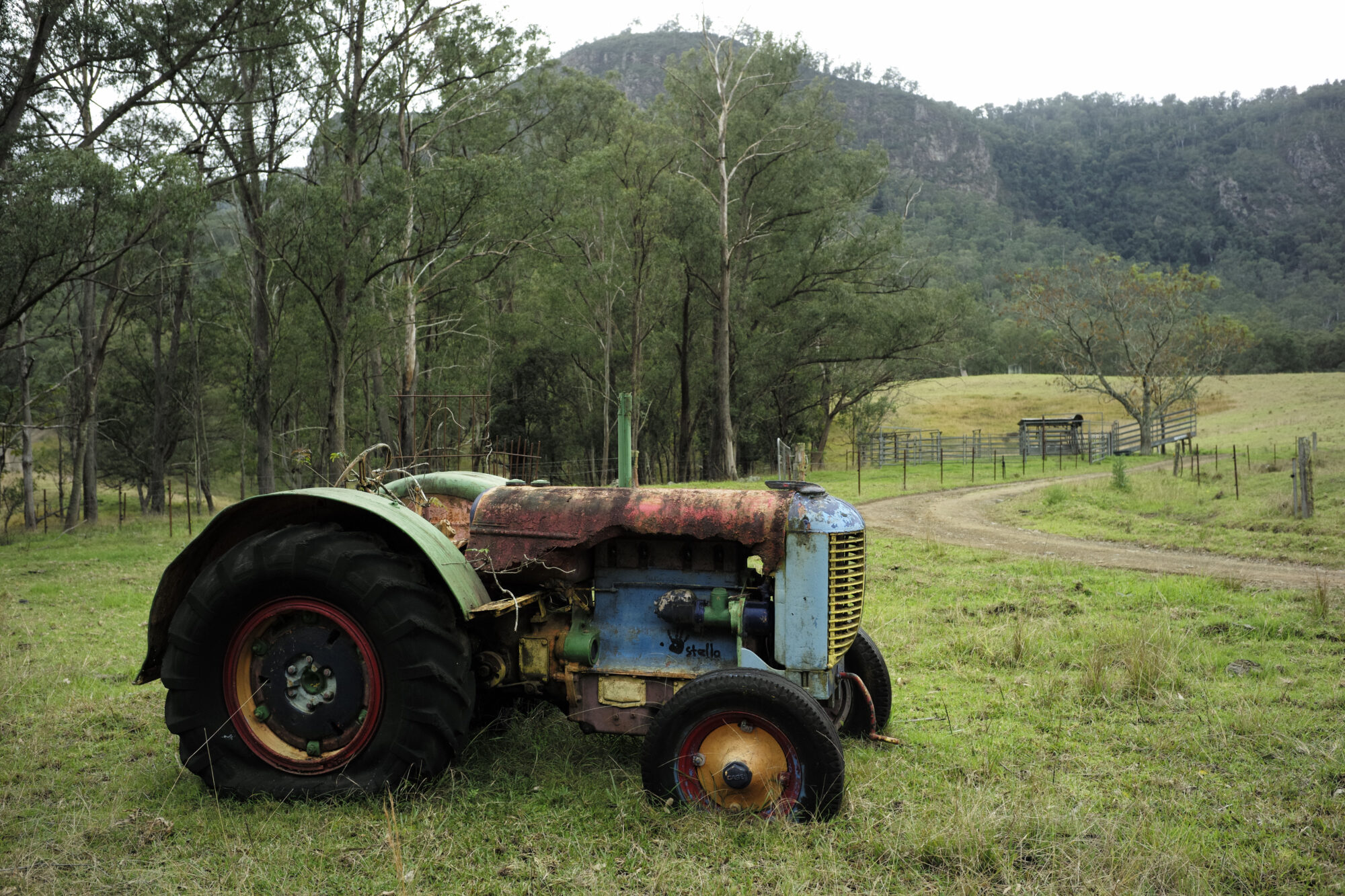
Perhaps the most exciting photographs of any project aren’t actually the carefully edited RAW files, but the straight-out-of-camera JPEGs. There is something compelling about their immediacy. They represent the project at the exact moment each photograph was made, before I’ve had time to reconsider, reinterpret or improve anything. In that sense, they are probably the most truthful versions of these images that will ever exist. They are rough, provisional and sometimes technically imperfect, but they contain an energy that is difficult to recreate later. Looking through them reminds me what first caught my attention, before editing introduced hindsight into the process. For that reason, I think they’ll become a vital part of this work in the publishing phase. They themselves are not the finished photographs, but they document the beginning of the project and are a very clear demonstration of the intention that drove me to make images at all.
Anyway, this article exists merely to proclaim that a photographic project has begun. It has started with some tentative decisions and incomplete ideas, but carries a willingness to move forward without knowing exactly where the road leads. The barrier between “in planning” and “in progress” is only a small step across. What are you stepping into next? Let me know in the comments.
Leave a Reply